Step Into The Circle & Embrace Your Inner Magick
Join the Naturally Modern Witch Coven on Patreon
This is your coven where we weave the Naturally Modern Witch Method into everyday life, turning your days into a living Book of Shadows with spells and rituals that flow with the moon and the seasons.
Imbolc quietly arrives like a breath taken after a long winter pause.
The days are still cold and the nights still feel endless, yet something has shifted beneath the surface. This is early spring. Not the bursting green of March or April, but the subtle promise of life stirring underground. The land is not awake yet, but it is no longer sleeping.
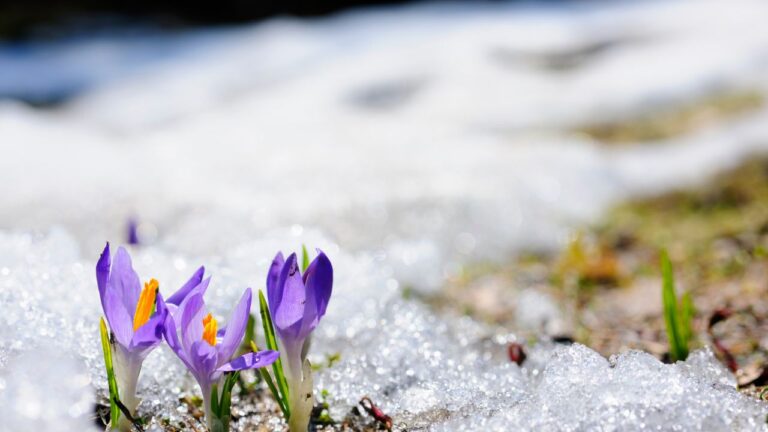
There is a certain tenderness to this season. Snow may still cover the ground, frost may still cling to bare branches, yet beneath the soil, seeds are preparing. Daffodils, paperwhites, and snowdrops wait patiently. The earth stretches slowly, testing the light. It is a time of anticipation rather than arrival.
Imbolc invites us to notice what is beginning, even if it is not yet visible. It is a season of preparation, cleansing, and intention. A threshold moment between rest and renewal, between winter and the first breath of spring.
This is where we pause and listen for what wants to grow.
Grab the free Naturally Modern Witch Calendar or read The Naturally Modern Witches’ Almanac for February.
Imbolc and the Turning of the Season
Imbolc is traditionally celebrated on or around February 1st or 2nd and falls midway between the Winter Solstice and the Spring Equinox. Spring, to the ancient Celts, was marked to begin at Imbolc.
I refer to it as the Season of Planting or the Season of Air, as do many. While fields may still be frozen, agricultural life begins to stir. Animals could slowly be brought back to pasture and were no longer fully dependent on stored food. Milk returned to the barns as ewes began to lactate, which is reflected in the name Oimelc, often translated as ewe’s milk.
Imbolc reminds us that growth does not begin when everything is warm and easy. Growth begins in cold soil, and in trust that the light will continue to return.
*When referencing Celtic beliefs or practices, it’s important to remember that the Celts were not a single, unified culture with one shared belief system. There were many distinct tribes spread across different regions and time periods, each with its own customs, deities, and traditions. What we know today comes from a mix of archaeological findings, later written sources, and folklore, and should be understood as regional and evolving rather than universal.
History, Names, and Traditions of Imbolc
Imbolc is known by many names, including Imbolg, Oimelc, and later Candlemas. In Christian traditions, Candlemas became a feast day centered on purification, light, and blessing candles for the year ahead. While the symbolism shifted, the underlying themes of cleansing and returning light remained.
In some traditions, Imbolc is closely associated with Brigid, also known as Brighid, Brigit, Bride, Brigantia, and later Saint Brigid. She is an ancient goddess whose stories evolved over centuries and cultures. While historical records are fragmented, she is often described as a goddess of fire and flame, poetry, inspiration, healing, creativity, water, wisdom, and childbirth.
It is said that Brigid was honored as a triple goddess representing Maiden, Mother, and Crone, though little historical evidence has been found. In Ireland, she became one of the most beloved figures in seasonal folklore. A perpetual flame associated with her was tended at Kildare, guarded by priestesses and later by Christian nuns. She is also connected to sacred wells, including one at Liscannor in County Clare.
As Saint Brigid, she appears in Christian lore as a healer and midwife. In some stories, she is said to have assisted at the birth of Jesus and to have blessed him with water. She is traditionally associated with February 1st and the returning light at dawn, reinforcing her connection to seasonal transition.
Other cultures also marked this time of year with purification and renewal rituals. In ancient Rome, Februalia was held in honor of Juno and focused on cleansing and preparation. Some Indigenous American tribes, including the Seneca and Kwakiutl, held ceremonies related to naming, alliances, and social bonds during winter gatherings. In ancient Egypt, Renenutet, a goddess associated with nourishment, childbirth, and the agricultural cycle, was honored during seasonal transitions tied to the Nile.
Across cultures, this moment in the year reflects the same understanding. Winter is not over, but it is changing.

Imbolc Folklore and Seasonal Symbolism
Imbolc symbolism centers on light, milk, fire, water, and breath.
Candles represent the growing strength of the sun. Milk reflects nourishment, fertility, and sustenance returning to the land. Fire symbolizes inspiration and transformation, while water connects to healing, cleansing, and renewal. Air carries intention, prayer, and the first whispers of spring.
In some folklore, Imbolc is a time when the veil thins slightly, not in the dramatic way of Samhain, but in a quieter, intuitive sense. It is said to be a good time for listening, divination, and noticing signs.
Animals play an important role in seasonal lore. Bears and other creatures begin to stir from hibernation. Birds become more active. These movements were once used as natural indicators of the shifting season.
Witchy Ways to Celebrate Imbolc
Yule marks the turning point and the surrender of the waning year to the waxing one. Starting at sunrise after the solstice, the sun climbs just a little higher and lingers a little longer each day. This return of the light has always been cause for celebration.
Here are ways a modern Green Witch, Kitchen Witch, or House Witch might honor the season:
Imbolc is about preparation rather than completion. These practices are gentle, reflective, and practical, perfect for early spring energy.
Make a vision board focused on growth rather than outcomes. What qualities do you want to cultivate this year?
Set goals for the next twelve months, keeping them flexible and rooted in your values.
Do a Year Ahead tarot spread, pulling one card for each month to understand themes rather than predictions.
Awaken your inner Wild Woman or intuitive self through journaling, movement, or time alone in nature.
Connect with the energy of snow or winter spirits. Sit quietly outdoors if possible and observe the stillness.
Collect snow and allow it to melt into snow water. Use it for cleansing rituals or new beginning workings.
Feed the birds, checking with your local Audubon Society for safe and appropriate foods.
Work with witch hazel, which blooms bright yellow flowers in winter and symbolizes resilience.
Take a walk in the woods and look for subtle signs of spring beneath the snow.
Visit a river or stream and observe how ice forms and breaks naturally.
Write down a habit you wish to release and freeze it in snow or in your freezer.
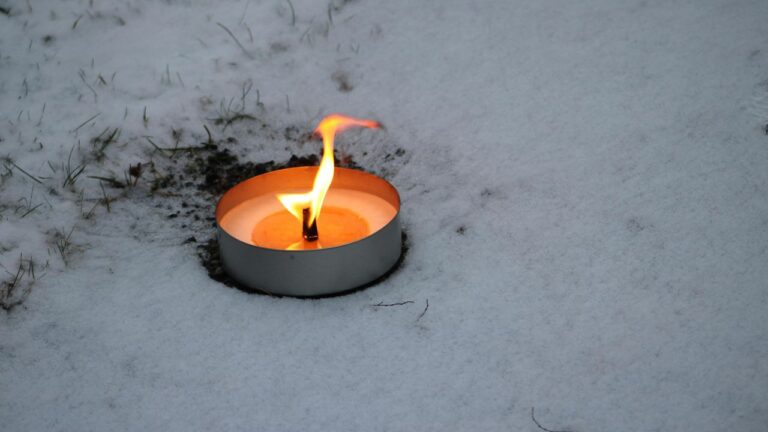
Make snow candles by digging a hole in the snow, adding a wick, and pouring melted wax inside.
Howl at the full moon or simply breathe deeply under the night sky.
Make hand dipped candles to honor returning light.
Craft a Brigid’s Cross using straw, reeds, or paper as a symbol of protection and blessing.
Bringing Imbolc into Everyday Witchcraft
Imbolc teaches us that preparation is sacred. You do not need to rush into action. You are allowed to gather warmth, clarity, and intention before growth becomes visible.
This season asks you to trust the process. To believe that what you nurture now will bloom later.
May this Imbolc bring you clarity, gentle momentum, and the quiet confidence that spring is on its way.
Blessed be.

About the Author
Dedicated to helping you develop a practice that flows with everyday life, I’m a modern witch living by the seasons and the moon. Read more about me here