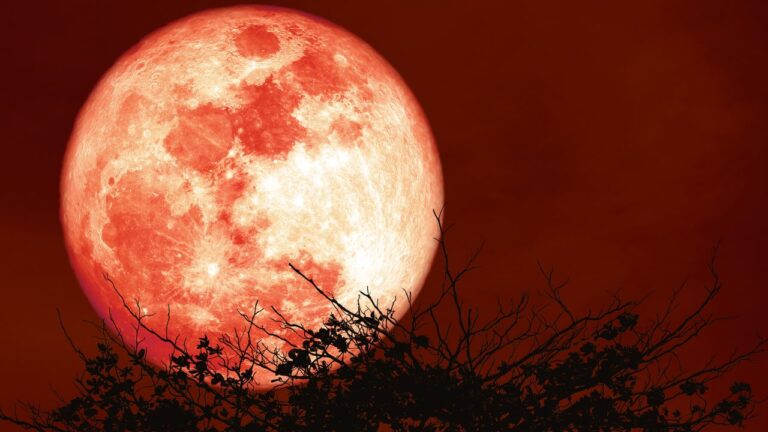
The Full Hunter's Moon
With the arrival of the Hunter’s Moon in October, we stand on the threshold of winter, a sacred time to honor the harvest and prepare for the stillness that awaits. It is in this liminal space that we feel the pull of nature’s rhythms, urging us to remember the cycle that binds us all, an invitation to celebrate life, even as we acknowledge its fleeting beauty. Shadow and light dance upon harvested fields, revealing the soft footfalls of deer and the sly glint of foxes.
A familiar chill pirouettes through the air, calling us to pause, breathe, and reflect. The leaves drift lazily to the ground like whispered secrets, leaving the trees bare and open.

What is the Hunter's Moon?
The Hunter’s Moon graces the skies in October, its presence is the onset of preparations for the winter months. As the golden hues of autumn begin to fade, this full moon reminds us that it’s time to gather and fortify for the cold days that loom ahead.
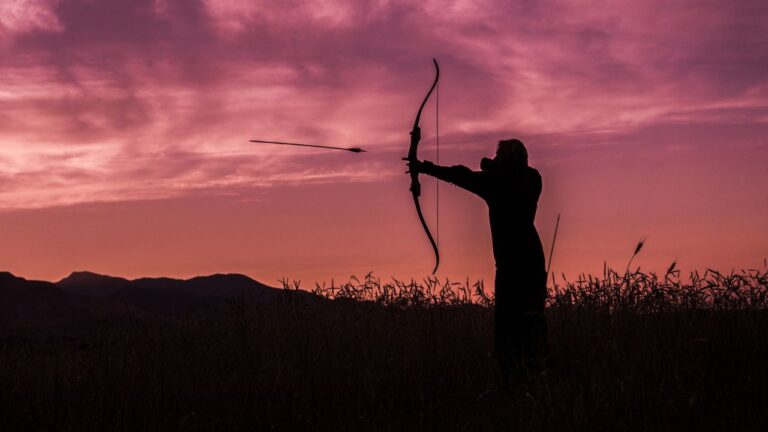
It’s thought that the arrival of the Hunter’s Moon marked an urgent call to action. Communities headed into the woods, armed with their weapons, to hunt deer and other game. The chill in the air hinted at the urgency of the task; every animal taken was a precious gift from nature, a source of nourishment to sustain families through the long, frosty nights of winter. In this way, the moonlight illuminated the path for hunters as they ventured out into the wild, their breath mingling with the crisp air.
Why do Witches Celebrate the Hunter's Moon?
For witches, the Hunter’s Moon is a symbol of both life and death. It embodies the energy of transformation and reflection, urging us to honor our past while looking forward to the future. As we gather the last remnants of the harvest, we also prepare to face the shadows and fears that come with the encroaching darkness.
The Hunter’s Moon is not merely a practical marker in the agricultural calendar. It invites us to reflect on the balance between taking and giving, urging us to honor the life that feeds us while recognizing the cost of survival. As the days grow shorter and the nights deepen, we are reminded that preparation goes beyond mere physical provisions. This time of year also calls for a spiritual readiness. It is a chance to gather with loved ones, share stories of the past, and remember those who came before us.
The Hunter's Moon History and Folklore
The Algonquin Native American tribes referred to October’s moon as the full Hunter’s Moon because it signaled the time to go hunting in preparation for winter.
The term “Hunter’s Moon” appears in several Anglo-Saxon sources, but its widespread usage among Europeans only began after they made contact with Indigenous Americans during colonization.
It’s thought that hunters used this moonlit night to stalk deer and spot foxes, taking advantage of the clear visibility provided by the bright moon against the backdrop of harvested fields, where animals came to glean the fallen grains.
The term “sanguine,” or “blood” moon, carries deep cultural and historical meaning. Derived from the Latin word sanguis, which means “blood,” “sanguine” evokes ideas of life and vitality. While “blood moon” often refers to total lunar eclipses (when the moon appears red) it also symbolizes the lifeblood of nature, the essence that sustains us through the colder months. This moon serves as a reminder of the cycles of life and death that shape our existence. It embodies the sacrifices made when hunting animals for food and the vital sustenance they provide, highlighting the interconnectedness of all living beings and encouraging a respectful acknowledgment of this relationship.
The Hunter’s Moon has also been known by various other names, such as the Travel Moon, Dying Grass Moon, Blood Moon, and Sanguine Moon.
In the Naturally Modern Witch Coven, we encourage you to name the moons based on your relationship with nature.
Witchy Ways to Celebrate The Hunter's Moon
- Write down what you’re ready to release on fallen leaves, then burn or compost them to symbolize transformation.
- Collect acorns, pinecones, and other natural items to decorate your space and connect with the season.
- Use tarot, scrying, or pendulums to gain insight for the months ahead, channeling the moon’s energy for clarity.
- Reflect on fears or past wounds that need healing, drawing on the moon’s power to transform pain into strength.
- Create an altar or offering for ancestors or loved ones honoring the thinning veil between worlds.
- Sweep your space with intentions to clear negative energy, making room for new beginnings.
- Enjoy apple cider, dark wine, apples, pumpkins, pomegranate, nuts, spices, and other fall foods.
- Feast on meat as this would have been one of the foods that were in season. Farmers had to make the hard choice as to what livestock they could keep over winter. Much of the grain harvest went to storage to feed animals during the winter.
- Make jerky or smoke meat.

Hunter's Full Moon Ritual
You’ll Need:
- Cleansing Method of your choice
- 1 Red candle to symbolize life, passion, and sacrifice
- A pomegranate to symbolize the blood of life *
- Cutting board and knife *
- A bowl for collecting pomegranate seeds
- A piece of paper and pen
- A small fire-safe dish
- Optional: Crystals like carnelian or garnet for grounding and enhancing courage.
*Substitute pomegranate juice.
Instructions:
- Cleanse your space with your preferred cleansing method.
- Cast a circle if you choose, then invite any spirits you wish to assist you if any.
- Clear your mind, then ground your energy with meditation.
- Place the red candle in the center of your altar. Light it and focus on the flame. Visualize it representing the energy of the Hunter’s Moon, illuminating your path as you prepare for the winter months.
- Take your piece of paper and pen. Reflect on the past year, noting the blessings and abundance you have received. Write down what you are grateful for, acknowledging the life and vitality that sustains you.
- Hold the pomegranate (or juice) in your hands and take a moment to connect with its energy. As you cut it open, visualize the vibrant red seeds and juice as the lifeblood of the Earth, symbolizing nourishment and the sacrifices made for survival. Place the seeds in the bowl (or holding the juice), saying, “With this act, I honor the blood of life and the courage to sacrifice for what serves my true purpose.”
- With the seeds collected, take the piece of paper where you wrote your gratitude and fold it up. Place it beneath the bowl or juice. Then, take a moment to contemplate what you are willing to sacrifice or release in the coming months (this could be old habits, fears, or anything that no longer serves you).
- When you’re ready, hold the folded paper over the candle flame (with care) or place it in the bowl for burning. As it burns, visualize your sacrifices being transformed into smoke and carried away. Say, “I courageously release what no longer serves me, making space for new beginnings.”
- Sit in silence for a few moments, allowing the energy of the moon and your intentions to settle. Give appreciation to any spirits if you have called them to you.
- Enjoy a few pomegranate seeds or drink the juice as a symbolic act of embracing life’s nourishment and acknowledging the cycles of sacrifice. Take a nature walk in the days following the ritual to reflect on your intentions, connect with the changing season, and watch for signs and symbols that the Universe and your spirit team are guiding you.
- Respectfully extinguish the candle and consider keeping it sustenance for your intentions throughout the winter months. Returning to your reflections regularly, allows them to guide your actions and mindset as you move into the new season.

Step Into The Circle & Embrace Your Inner Magick
Join the Naturally Modern Witch Coven on Patreon
Monthly content bundle, astro forecast, witchy calendar, moon phase magick with rituals, seasonal spells, recipes, and tools to help you live in tune with the moon and the earth.

About the Author
Lacey is a modern witch living by the seasons and the moon. She is dedicated to helping you develop a practice that flows with everyday life. Read more about her here.