
Celebrating Mabon with Ancient Traditions and Modern Magick
Mabon, the autumn equinox, usually falls around September 22nd. The sun, for just a fleeting moment, hangs right over the equator, offering both the Northern and Southern hemispheres equal parts day and night. “Equinox” itself means “Equal Night”, and it’s a fitting time to honor balance in all things. After this, the days slowly yield to the nights and the dark half of the year. The earth begins to rest, the vibrance fading, the crops bowing to the coming frost. Some see The Great Mother, having fulfilled her promise to nurture, standing now as the Harvest Queen, preparing for a season of rest before the wheel turns again. Her consort, the Grain King, begins his own descent into winter’s shadow, his strength spent in service to the earth.
For our common ancestors, this time wasn’t just symbolic; it was survival. Their hard work over the summer had now decided what the winter would hold: abundance or hardship, feasting or famine. Mabon, like those ancient harvests, calls us to pause, to reflect, and to give thanks.
Mabon, as many know it today, is a modern creation, named in the 1970s by a Wiccan author and historian named Aidan Kelly. The name “Mabon” comes from Mabon ap Modron, a character from Welsh mythology. Mabon is a god associated with youth and the son of Modron, a mother goddess figure. While there’s no historical link between the ancient equinox celebrations and Mabon ap Modron, Kelly chose the name to draw a connection to ancient Celtic traditions keeping with the theme of Celtic and Norse names for The Wheel of the Year. So, while the name may feel ancient, its roots are firmly planted in the 20th century.
The celebration itself, however, aligns with the broader themes of harvest festivals that have been honored by various cultures for thousands of years.
Witchy Ways to Celebrate Mabon Through Folklore and Tradition
Greek Mythology
The equinox marks the time when Persephone returns to the Underworld, signifying the end of summer and the beginning of autumn. Her return was celebrated with harvest festivals and rituals to honor the changing seasons and prepare for winter. Oschophoria is a festival staged during the fall to honor the grape harvest. This ceremonial ode was dedicated to Dionysus, the Greek deity presiding over wine. Men, their shoulders bearing the weight of grape-laden vines, would wind their way through the streets in procession.
Autumn Equinox Rituals
The equinox is a time of balance, and many Celtic traditions focused on themes of harmony and reflection. Bonfires, feasting, and the gathering of seasonal produce are common practices.
As autumn paints the world, numerous Indigenous groups in America gather for the Corn Dance, an occasion woven with gratitude for the maturation of the grains. The Cherokee people celebrate the Green Corn Ceremony around this time, which marks the end of the harvest season and includes giving thanks for the crops and community. The Hopi people have ceremonies tied to the harvest of corn, which is a central crop in their culture. They perform rituals to honor the spirits of the land and ensure a good harvest.
Chinese Mid-Autumn Festival
Celebrated on the 15th day of the 8th lunar month, this festival often coincides with the equinox. It features mooncakes, lanterns, and gatherings to celebrate the harvest moon and family unity.
Japanese Shūbun-no-hi
This holiday, also known as the Autumn Equinox Day, is a time for honoring ancestors and visiting family graves. It reflects a period of balance and transition.
Harvest Home
In medieval England, the end of the harvest was marked by a celebration called Harvest Home. This included feasting, music, and community gatherings to celebrate the successful harvest and prepare for winter.
Witchy Ideas for Celebrating Mabon
- One of the easiest ways to celebrate is decorating your home for autumn.
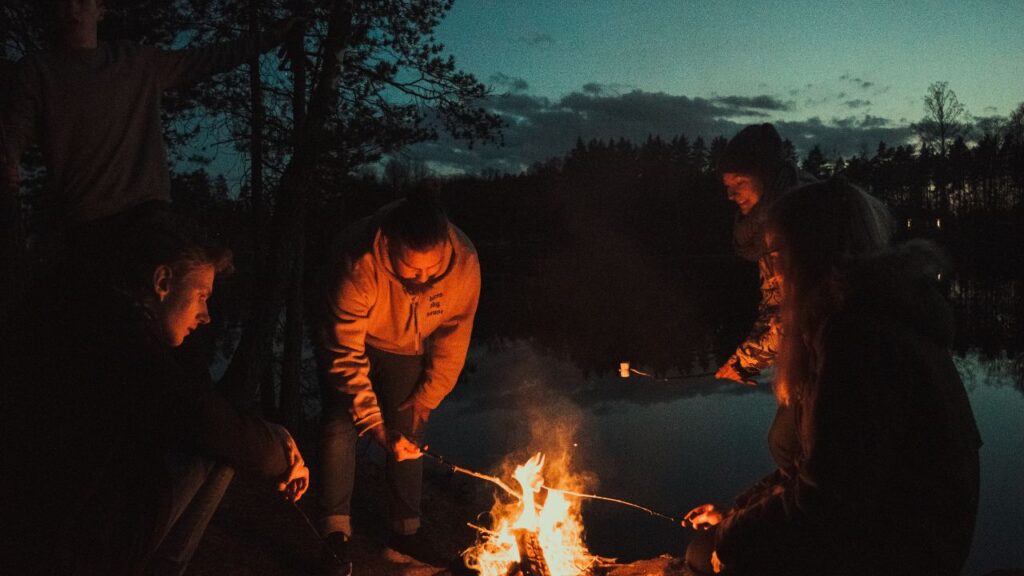
- Build a bonfire.
- Decorate your porch or entryway with traditional autumn touches.
- Count your blessings by writing down all your blessings on paper. Keep a basket of blank paper and a jar for the ones you’ve written down. Once you’ve filled the jar, read them aloud, make them into a garland, or use them to decorate the home in another way.
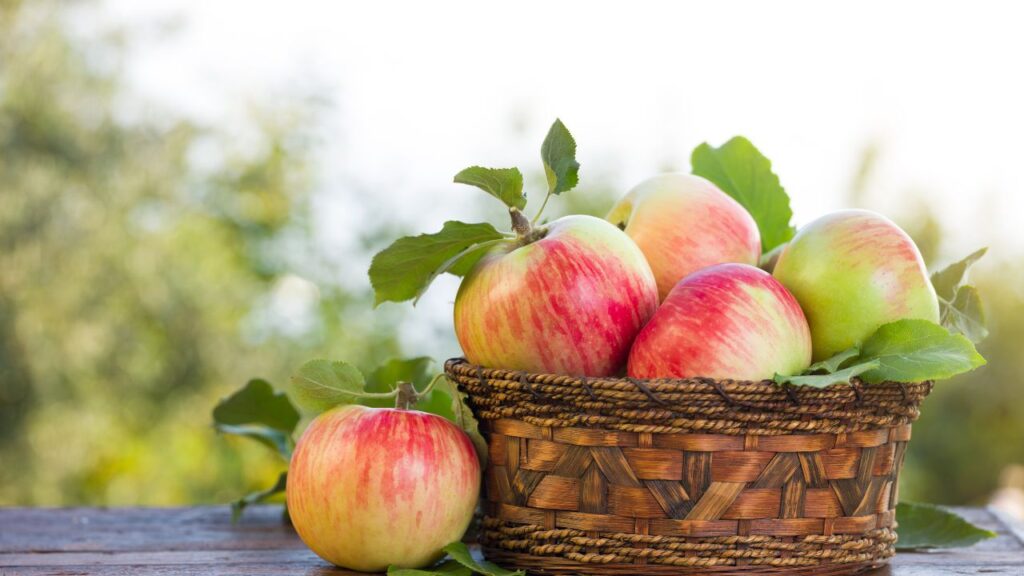
- Go apple picking
- Have a picnic
- Clean your house and get rid of stagnant or negative energy.
- Host a potluck dinner gathering with your favorite people to share your bounty. Or, host a food drive.
- Set up an Equinox altar by including seasonal decorations or with one-half dark and one-half light in honor of balance.
- Do apple magick.
- Tell folklore stories. A common theme in these stories is the cycle of death and rebirth, as seen in the planting season.
- Eat grapes or use them in a new recipe.
- Drink wine.
Blessed Mabon!

Step Into The Circle & Embrace Your Inner Magick
Join the Naturally Modern Witch Coven on Patreon
Monthly content bundle, astro forecast, witchy calendar, moon phase magick with rituals, seasonal spells, recipes, and tools to help you live in tune with the moon and the earth.

About the Author
Lacey is a modern witch living by the seasons and the moon. She is dedicated to helping you develop a practice that flows with everyday life. Read more about her here.
This is very informative. I didn’t know who Dionysis was but I had heard of him. Thanks for the information.
You are so very welcome! Thanks for stopping by